
I. Why does PVC discolor?
PVC materials may yellow or turn brown during use; this is typically associated with the following factors:
UV exposure: Prolonged exposure to sunlight causes changes in the PVC molecular structure.
High-temperature environments: Temperatures exceeding 80°C accelerate material aging.
Chemical contact: Certain cleaning agents or solvents can react with the PVC.
Solutions: Choose PVC products containing UV stabilizers, avoid high-temperature environments, and use neutral cleaning agents.
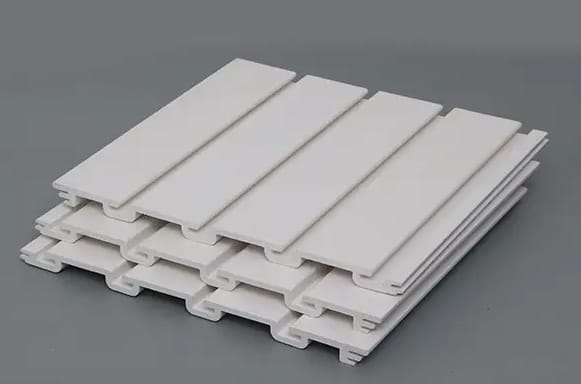
II. What to do if PVC deforms?
If PVC products warp or edges curl, consider the following measures:
Temperature control: Allow for appropriate expansion and contraction gaps during installation.
Support and reinforcement: Add support structures when covering large areas.
Storage precautions: Store flat and avoid prolonged pressure from heavy objects.
Prevention over cure: Check for uniform thickness when purchasing and follow product instructions during installation.
III. Preventing and repairing PVC cracking
PVC cracking may result from the following causes:
Low-temperature brittleness: The material becomes brittle in cold winter temperatures.
Mechanical damage: Impact from external forces during installation or use.
Formulation issues: Improper ratio of plasticizers.
Solutions: Pre-heat the material appropriately before installation in winter; minor cracks can be repaired with specialized adhesive, while severe cracking requires replacement.