
PP, PE, PET, and PVC are four common plastic materials; they differ in their chemical structures, physical properties, and application areas.
PP (Polypropylene): A white, translucent polymer material. It features excellent heat resistance, corrosion resistance, tensile strength, hardness, and rigidity. It is commonly used to manufacture food containers, medical devices, furniture, automotive parts, and textiles.
PE (Polyethylene): A white or transparent polymer material. It offers excellent flexibility, pressure resistance, wear resistance, corrosion resistance, and thermal insulation properties. It is commonly used to manufacture plastic bags, plastic bottles, water pipes, and electrical cables.
PET (Polyethylene Terephthalate): A transparent polymer material. It possesses excellent heat resistance, corrosion resistance, tensile strength, and rigidity. It is commonly used to manufacture beverage bottles, food containers, fibers, clothing, and automotive parts.
PVC (Polyvinyl Chloride): A white or transparent polymer material. It features excellent corrosion resistance, sound insulation, thermal insulation, flexibility, and plasticity. It is commonly used to manufacture construction materials, electrical cables, water pipes, flooring, curtains, and artificial leather.
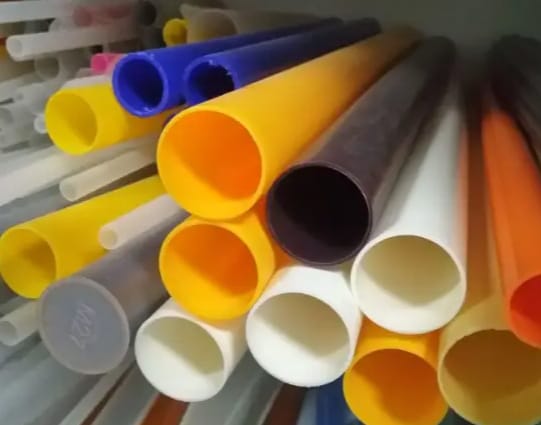
Differences between PP, PE, and PET
PP (Polypropylene): PP has good heat resistance, capable of withstanding temperatures up to 120°C; it is resistant to acid and alkali corrosion and does not easily release harmful substances. While its melting point exceeds 220°C and its heat deflection temperature is around 121°C, as a macromolecular polymer, higher temperatures increase the likelihood of small-molecule oligomers leaching out—substances generally considered detrimental to human health. Furthermore, given typical usage scenarios involving boiling water (100°C), standard plastic cups are usually not labeled for temperatures exceeding 100°C.
PE (Polyethylene): PE has poor heat resistance, withstanding only up to about 80°C; it is resistant to acid and alkali corrosion and does not easily release harmful substances. It exhibits excellent low-temperature performance (with a minimum operating temperature as low as -100°C to -70°C). It exhibits good chemical stability; because the polymer molecules are linked by carbon-carbon single bonds, it resists corrosion from most acids and alkalis (though it is not resistant to oxidizing acids). It is insoluble in common solvents at room temperature, has low water absorption, and offers excellent electrical insulation properties.
PET (Polyethylene terephthalate): PET materials are transparent or translucent, hard, and rigid (lacking elasticity). They possess excellent physical and mechanical properties across a wide temperature range—with a service temperature of up to 120°C—and offer excellent electrical insulation; their electrical performance remains strong even at high temperatures and high frequencies. While they have poor corona resistance, they excel in creep resistance, fatigue resistance, friction resistance, and dimensional stability.
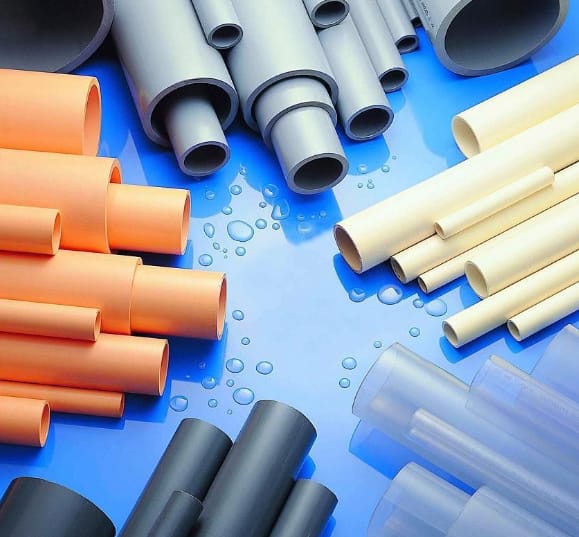
Some eco-friendly plastic products are recyclable and biodegradable, such as:
PLA (Polylactic acid): A polymer synthesized primarily from lactic acid, it is one of the most common biodegradable plastics. The production process is pollution-free, and the product is biodegradable; after use, PLA can be composted—degrading into carbon dioxide and water at temperatures above 55°C or through the action of oxygen and microorganisms—thereby enabling a natural material cycle without harming the environment.
PHA (Polyhydroxyalkanoates): A class of polymers produced via microbial fermentation, characterized by good biocompatibility and biodegradability. PHA degrades completely in various environments—including soil, freshwater, and seawater—without causing “white pollution.” It can be used to manufacture agricultural films, medical materials, cosmetics, and more.
PBS (Polybutylene succinate): A polymer synthesized from petrochemical feedstocks, offering good thermal stability and processability. PBS degrades completely in soil and seawater without negatively impacting the environment.
In summary, these four plastic materials each have their own advantages and disadvantages, as well as distinct application areas. Material selection should be based on specific application requirements and the properties of the materials themselves.