
PVC, or Polyvinyl Chloride, is a polymer compound formed by the polymerization of vinyl chloride monomer (VCM). It is a rigid plastic that exists in various forms, including rigid PVC and flexible (soft) PVC.
The following are the detailed advantages of PVC material:
1. Chemical Resistance: PVC exhibits high resistance to many chemical substances, including acids, alkalis, salts, and organic solvents. This makes it highly suitable for use in the chemical industry, piping systems, and container manufacturing.
2. Water Resistance: PVC has very low water permeability; unlike some other plastics, it does not easily absorb water or swell. This makes it ideal for water treatment and conveyance systems.
3. Weather Resistance: PVC material withstands the effects of ultraviolet (UV) radiation and weather fluctuations, making it excellent for outdoor applications such as outdoor furniture, window frames, and construction materials.
4. Electrical Insulation: PVC is an excellent electrical insulating material with high electrical resistivity and low dielectric loss, making it commonly used for the insulation layers of wires and cables.
5. Physical Properties: PVC possesses good mechanical properties, including high tensile, compressive, and flexural strength. These characteristics make it highly reliable for various structural applications.
6. Heat Resistance: PVC can be used across a wide temperature range; its heat resistance makes it suitable for diverse environments, including high-temperature settings.
7. Plasticity: The hardness and flexibility of PVC can be adjusted by adding plasticizers, allowing for the manufacture of products ranging from rigid to flexible.
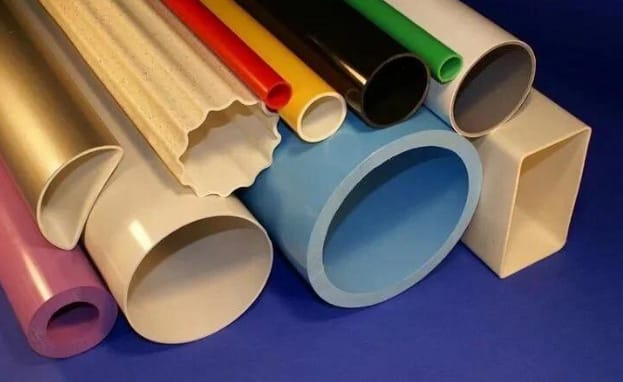
8. Processability: PVC can be processed using various methods—such as extrusion, injection molding, blow molding, calendering, and thermoforming—enabling the production of items in a wide variety of shapes and sizes.
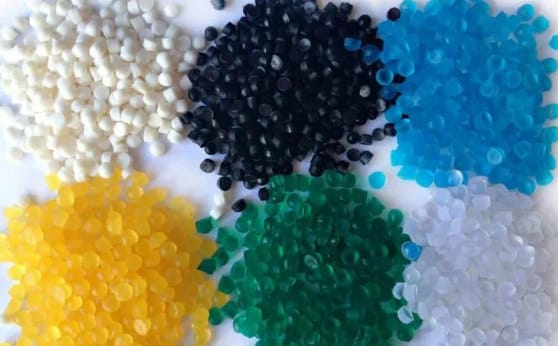
9. Transparency and Color Adjustability: PVC can be manufactured as transparent or opaque products, and the addition of pigments allows for a wide range of colors.
10. Cost-Effectiveness: The production cost of PVC is relatively low, making it price-competitive and suitable for mass production.
11. Wear Resistance: PVC has high surface hardness and good wear resistance, making it suitable for applications requiring durability against abrasion, such as flooring materials. 12. Flame retardancy: PVC possesses inherent flame-retardant properties, allowing it to meet specific fire safety standards without the need for additional flame retardant additives.
13. Recyclability: PVC is a recyclable material, which helps reduce waste and minimize environmental impact.
14. Oil resistance: PVC exhibits good resistance to fats and oils, making it suitable for applications such as food packaging and industrial oil tubing.
15. Impact resistance: Through the use of specific additives, the impact resistance of PVC can be enhanced, making it less prone to cracking or breaking under impact.
16. Aging resistance: PVC materials have a long service life under normal usage conditions and are resistant to aging and degradation.
17. Hygienic properties: PVC is non-toxic and complies with safety standards for food-contact materials, making it a common choice for food packaging and medical equipment.
These advantages make PVC an ideal material choice for various industries, including construction, furniture, electrical, medical, automotive, toys, and piping systems. However, it is important to note that the production and disposal of PVC can have environmental impacts; consequently, more eco-friendly alternative materials are being sought for certain applications.